Tyneham: Dorset's Ghost Village
England's most famous abandoned military village, frozen in 1943
By James Langton · Updated May 2026
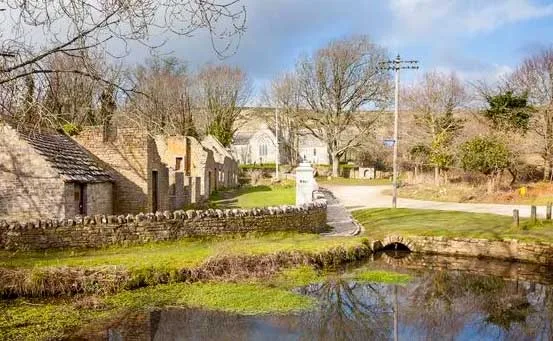
Tyneham is an abandoned village on the Isle of Purbeck in Dorset, evacuated in November 1943 when 252 people were asked to leave their homes for the British war effort. They were told it was temporary. They never returned. The village has stood largely empty ever since, preserved inside an active military firing range on the Jurassic Coast.
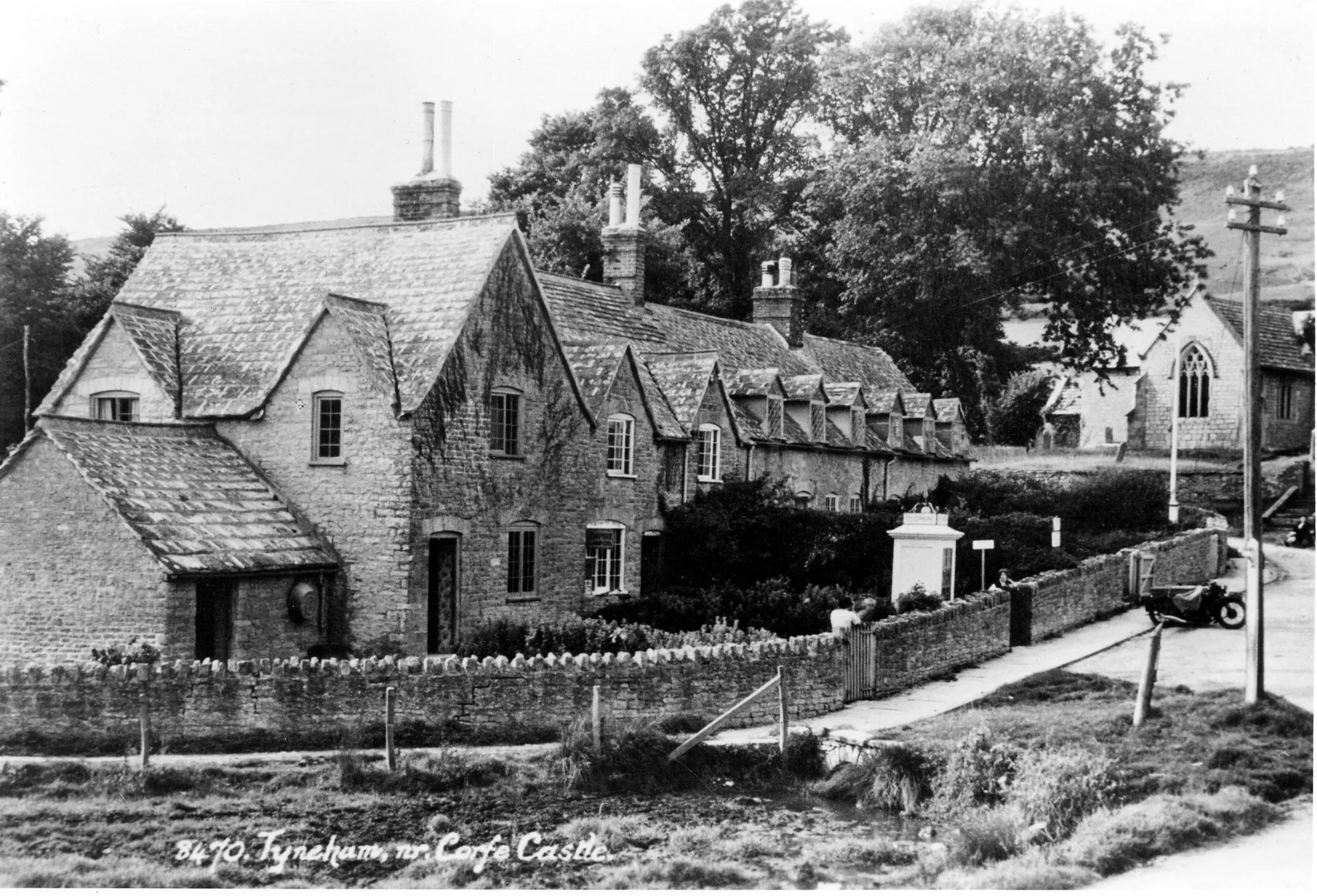
Unlike purpose-built tourist attractions, Tyneham is the real thing. The roofless cottages, the intact church, the restored schoolroom, the red phone box still standing in its original position on the village street: all of it is genuine. No entry charge. No gift shop. Just the ruins of a village that the 20th century left behind.
Why was Tyneham evacuated?
By 1943, Tyneham was already a community in slow decline. The village school had closed in 1932 ("because of the small number of pupils"), and the population had been falling since before the First World War. Those who remained were an older, rural community with deep roots in the valley but diminishing numbers.
In October 1943, with the D-Day landings approaching, the British Army urgently needed more land for live-fire training. Tyneham and its surrounding 7,500 acres lay within the Lulworth firing ranges, already used by the military since the First World War. On 16 November 1943, the War Office issued a formal requisition notice.
Every family in the village (252 people in total, across 102 homes) was given 28 days to pack their belongings and leave. They were told to take only what they could carry. Furniture, livestock, and most possessions were left behind. Most families had lived in Tyneham their entire lives; some families had been there for generations.
The last church service was held at St Mary's Church on 19 December 1943. As the congregation filed out for the last time, they pinned a handwritten note to the church door:

"Please treat the church and houses with care; we have given up our homes where many of us have lived for generations to help win the war to keep men free. We shall return one day and thank you for treating the village kindly."
The families who left
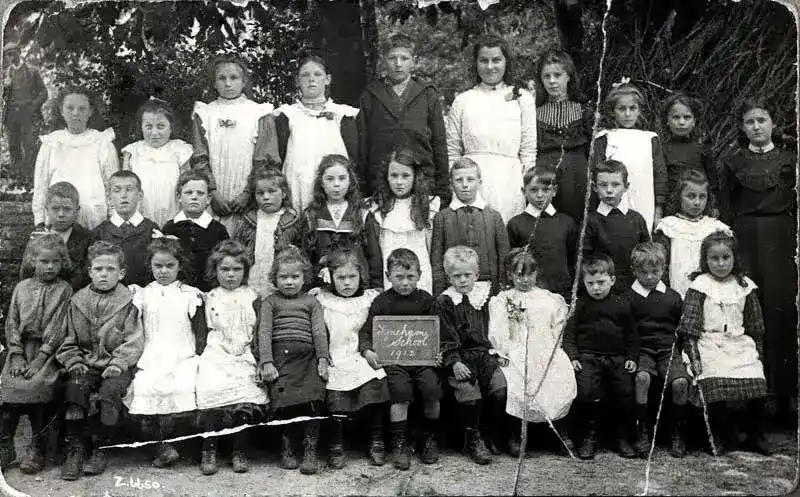
The 252 people who left Tyneham were not an anonymous wartime statistic. They were a tight-knit rural community of interconnected farming families, most of whom had lived in the valley for generations. The Holland family had worked the farm for decades; Percy Holland and his horses were a fixture of the village lanes. The Miller family had supplied dairy produce and kept sheep on the chalk downland above the village. The Mintern family, whose thatched cottage stood in Post Office Row, had been there so long that few could remember when they arrived. The Davis family at the farm, the coastguard families at Worbarrow Bay, the households clustered around the rectory and the post office: all of them were given 28 days to pack what they could carry and go.
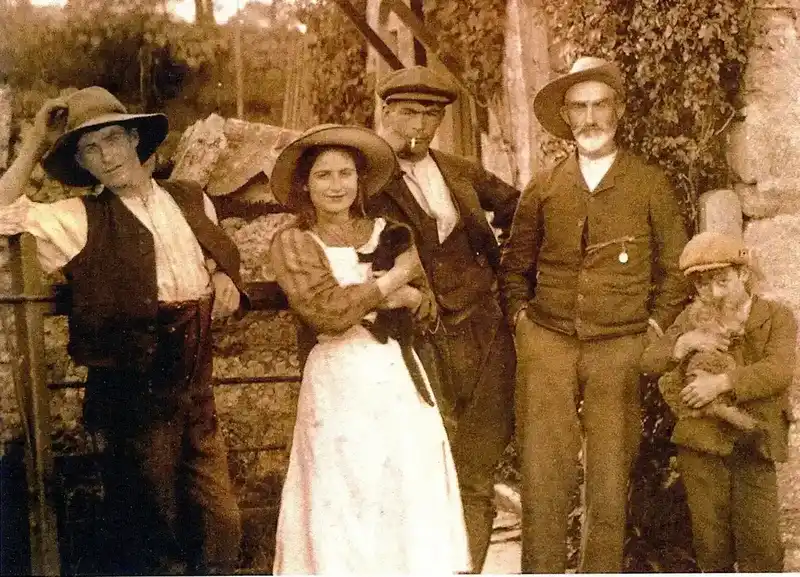
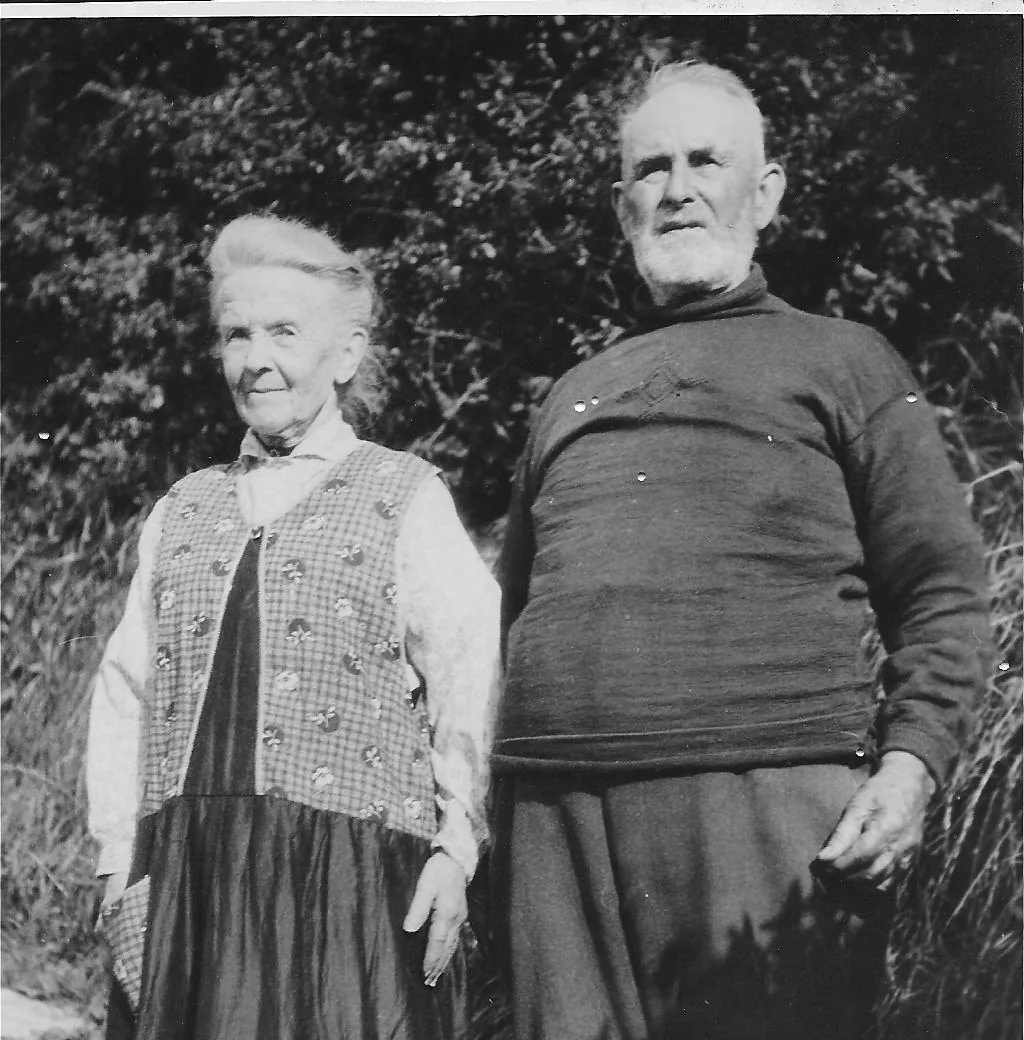
Most families had no experience of living anywhere else. The compensation eventually settled on (around £30,000 for the entire estate) worked out at roughly £133 per person. Many resettled in Wareham, Swanage, or other Purbeck villages; a few moved further afield. Some came back to visit once the village opened to the public in the 1970s. Others found it too painful. Lilian Bond, whose memoir Tyneham: A Lost Heritage remains the most vivid record of the village before its loss, wrote that Tyneham "exists now only in the memory of those who loved it."
Did the villagers ever return?
They did not. After Germany's surrender in May 1945, campaigners including the Bond family (who had owned the estate for centuries) lobbied for the village to be handed back. In 1948 the Army applied to retain the range permanently. The request was granted. A compulsory purchase order was issued in 1952, and the former residents received compensation of around £30,000 for the entire estate, ending any prospect of return.
For the next three decades, the village sat inaccessible behind military wire, slowly deteriorating. The great manor house, Tyneham House, was demolished by the Army. Several cottages collapsed. The church and school survived because they were structurally sound enough to be left standing.
In the 1970s, following sustained public campaigning (see the campaign to return), the Ministry of Defence agreed to open the village to visitors on weekends and holidays. It has been open to the public ever since. The last of the original evacuees have since died. While they were still alive, their stories were recorded in the documentary Tyneham Remembered.
What can you see today?


There's something genuinely strange about walking into Tyneham. The village is not a reconstruction or a museum; it's the actual place, largely as the evacuees left it. The roofless cottages of Post Office Row, the lane between them, the phone box, the church with its 13th-century tower: all genuine.
The silence is the first thing most visitors notice, and it is not the peaceful silence of the countryside. It is a different quality of quiet: an emptiness, an absence of the sounds that belong here but are not there. The village pond sits undisturbed in a way that feels wrong. There are no ducks. No wildlife working the water's edge. Just still water in a space that should be full of small, ordinary life.
St Mary's Church has been restored and is open as a free exhibition with photographs, documents, and village records. The schoolroom has been restored to its 1943 appearance, with original desks, slates, and a blackboard still in place. The red telephone box, the village's only phone, stands in its original position in Post Office Row. The Post Office is ruined but preserved, with information boards explaining its history. In the upper part of the village, the earthworks and terraced gardens of the demolished Tyneham House are still visible. A 15-minute walk from the village brings you to Worbarrow Bay, a secluded pebble beach on the Jurassic Coast.
What happened to the village during the war?
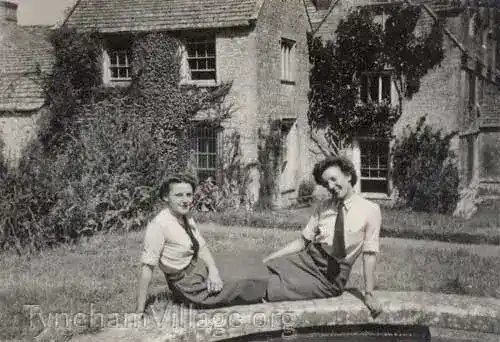
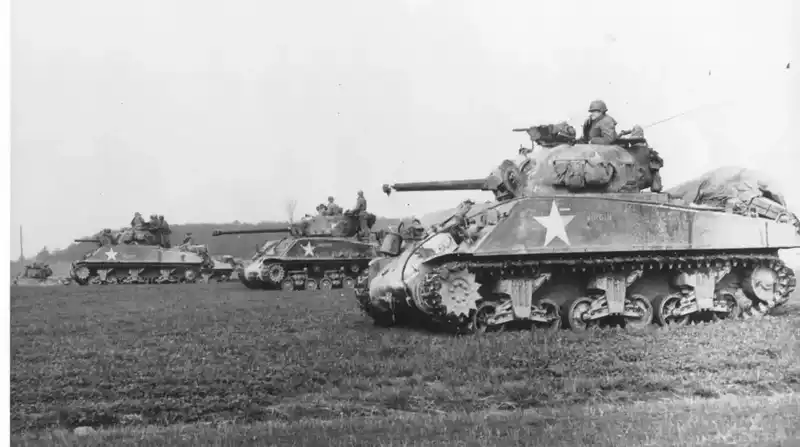
Once the villagers had gone, the military moved into the valley in force. Tyneham House, the Elizabethan manor that had been the centre of village life for nearly 400 years, was requisitioned as a billet for Women's Auxiliary Forces stationed at the Lulworth ranges. The great hall where the Bond family had lived became army accommodation. Sherman tanks rolled across the downland above the village where sheep had grazed. The farm tracks became military roads.
The church and school, being structurally sound, survived, though neglected rather than maintained. Several cottages collapsed from neglect or were damaged beyond repair. Tyneham House deteriorated rapidly once it was no longer useful as a billet: by the early 1950s it had been stripped of its fittings and was eventually demolished by the Army, leaving only the terraced garden earthworks and a few stone walls on the hillside today.
When the military opened the site to visitors in the 1970s following years of public campaigning, what they revealed was a village frozen not by affection, but by abandonment. The church and school were restored by volunteers. The ruined cottages were stabilised. The lane was cleared. The phone box was left standing where it had always been. What visitors see today is essentially what the military left behind.
Where is Tyneham and how do you get there?
Tyneham is in the Isle of Purbeck, approximately 10 miles south-west of Wareham. Use postcode BH20 5QH for sat nav. There is no public transport; visitors must drive or cycle. See the full visitor guide for parking, facilities, and directions.
Other ghost villages in the UK
Tyneham is not the only village displaced by the British military in the Second World War. Two others share a strikingly similar story, both requisitioned in the same year, under the same wartime emergency powers, for the same overriding reason: D-Day.
| Village | Evacuated | Reason | Returned? | Public access today |
|---|---|---|---|---|
| Tyneham, Dorset | December 1943 | British Army live-fire training range | No (compulsory purchase 1952) | Most weekends and school holidays (check dates) |
| Imber, Wiltshire | November 1943 | British Army training on Salisbury Plain | No, retained permanently after the war | A handful of days per year (heritage open days only) |
| Slapton, Devon | November 1943 | US Army rehearsals for the Utah Beach D-Day landings | Yes, returned to residents after VE Day | Fully inhabited, no restrictions |
Of the three, Tyneham is the most intact and by far the most accessible. Imber's 13th-century church survives, but most of the village is in poor condition and closed to visitors except for a handful of heritage open days each year. Slapton was returned after the war and is now an ordinary Devon village; the evacuation is remembered by a monument on the beach. Only Tyneham offers regular, free public access to a genuinely preserved ghost village in a landscape almost unchanged since the day its residents walked out.
Explore more of Tyneham's story: Full history • After the evacuation • The church door note • The Bond family • Tyneham village photos
Sources & further reading
- Lilian Bond, Tyneham: A Lost Heritage (1956): written by the daughter of the last squire, the primary first-hand account of village life before 1943
- Rodney Legg, Tyneham: The Untold Story of the Ghost Village (1998): the most comprehensive account of the military requisition and the campaign to return
- National Archives, WO 291: War Office files relating to the Lulworth Ranges requisition
- Historic England, listed building records for Tyneham Church and Tyneham Farm
