Wildlife at Tyneham
An accidental nature reserve on the Jurassic Coast
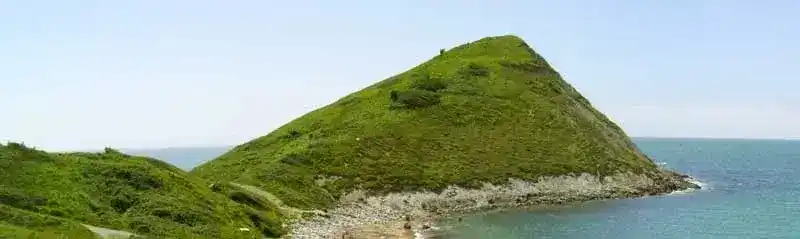
The army's accidental nature reserve
When the War Office requisitioned Tyneham in 1943, nobody planned for what would happen to the land in the decades that followed. Eighty years of military occupation have inadvertently produced one of the most ecologically intact landscapes in southern England. The intensive farming, tourist development, and road-building that transformed the rest of the Purbeck coast never reached here. The valley was simply closed off and left.
An information board in the village church sums it up plainly: "Whether you approve of the army's continuing presence or not, Tyneham valley is escaping the unsightly tourist development only too prominent along the adjacent coastline, untouched by modern intensive farming practices, even for wildlife."
The result is a landscape that has changed remarkably little since the pre-war years. The nature study books left open on the desks in Tyneham School are said to record the same wildlife "still seen in and around Tyneham today" as in the era when the village children used them.
Purbeck Heaths National Nature Reserve
In February 2020, the Purbeck Heaths National Nature Reserve was formally declared as the UK's first 'super' NNR, covering 3,331 hectares (8,231 acres) of heathland, coastal grassland, and cliff habitat across the Isle of Purbeck. The Tyneham valley and the ranges around it form a significant part of this reserve. The designation recognises what the military's presence has preserved: a rare example of pre-industrial lowland landscape on the English south coast.
Birds
The ridge walk from Tyneham to Flower's Barrow and along the coastal path is particularly good for birds. Skylarks are a constant presence on the open downland above the village, their song audible from the moment you leave the car park and start climbing. Stonechats perch on the gorse on the upper ridge, visible from the path. At Worbarrow Bay, seabirds work the tide line throughout the day.
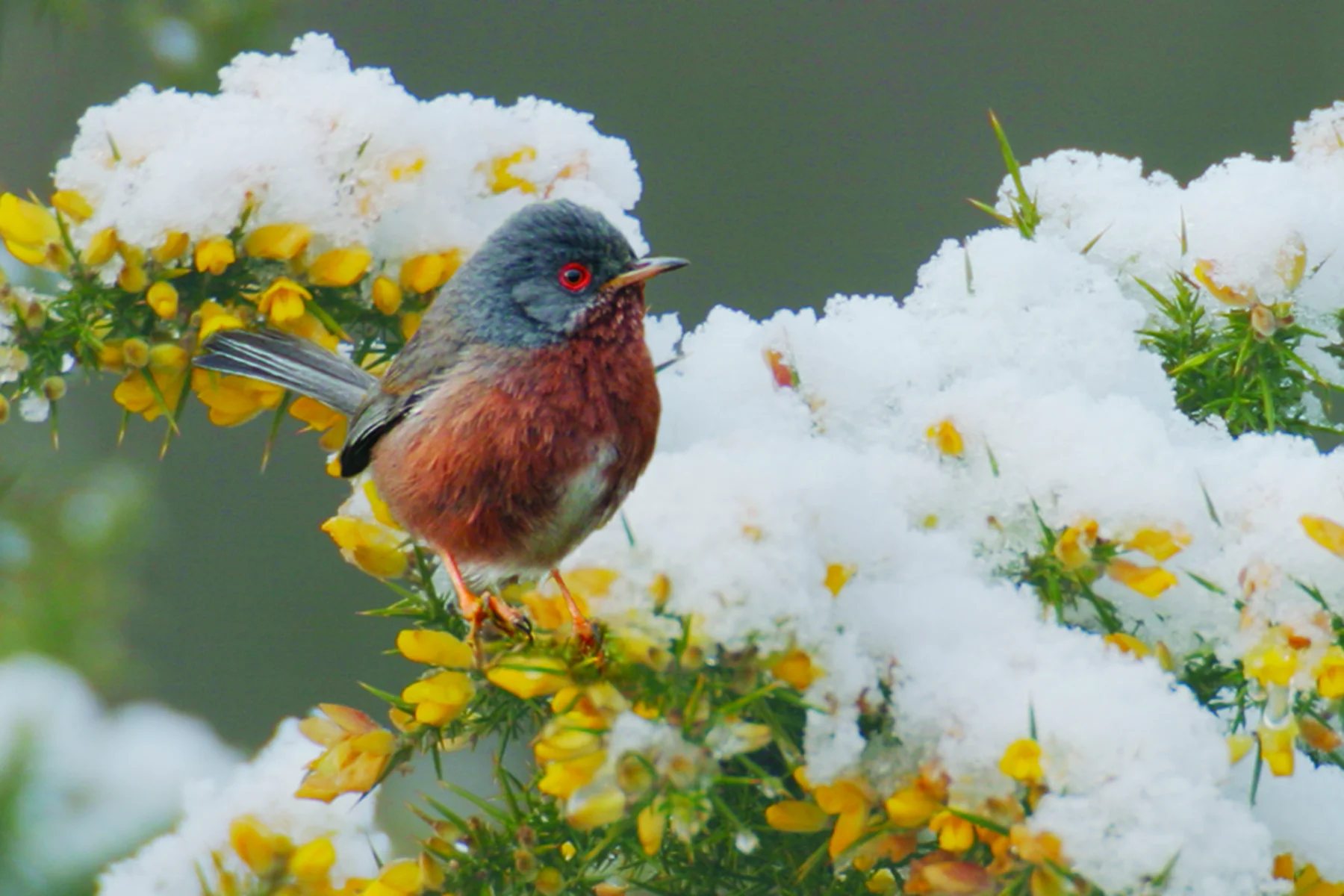
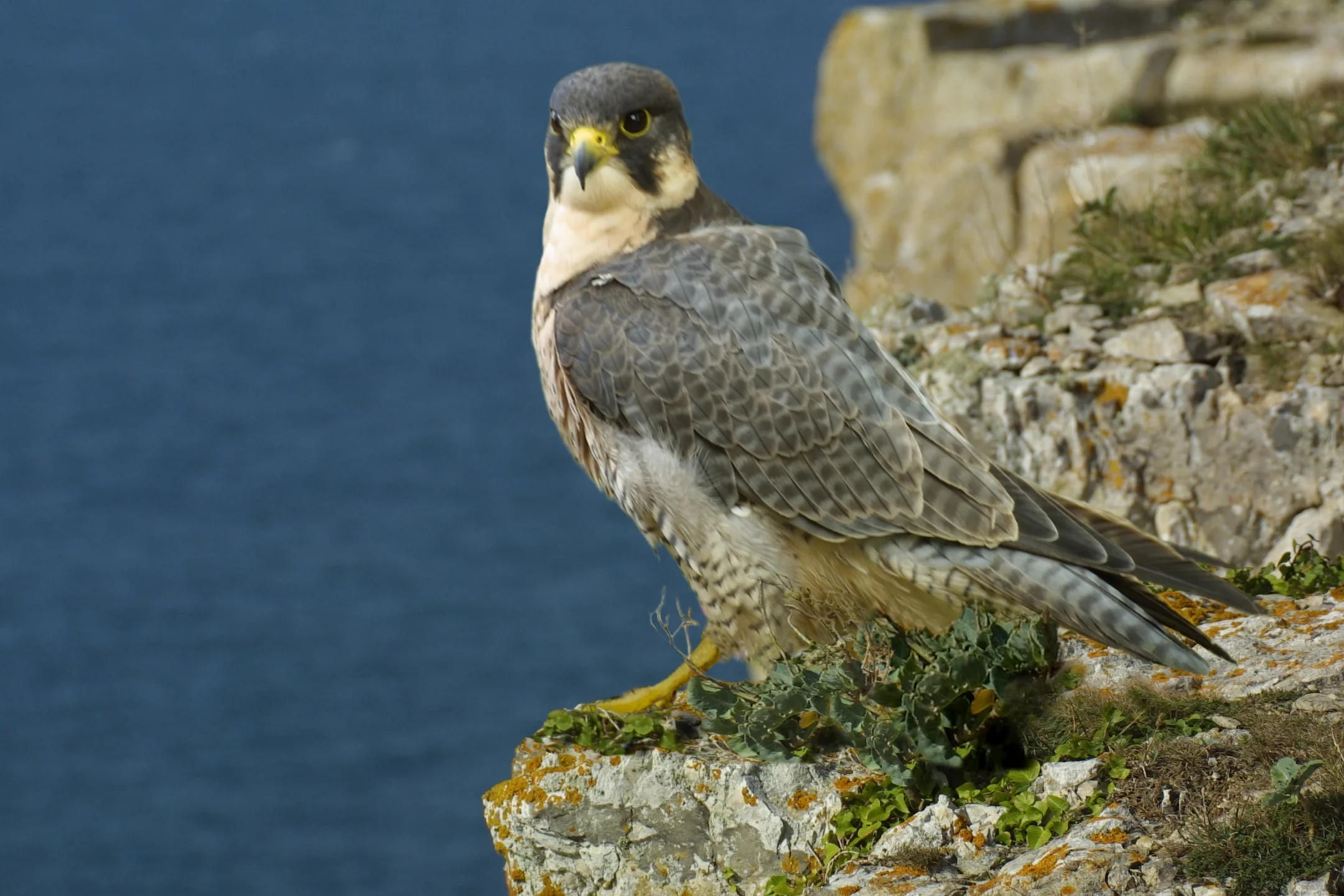
The heathland around the ranges is one of the most reliable locations in England for Dartford warblers, which nest in the gorse year-round. Nightjars return to the heath each summer. Woodlarks breed on the open ground. Hen harriers and merlins quarter the valley in winter. Peregrine falcons are regularly seen on the chalk cliffs of the Purbeck coast.
Reptiles
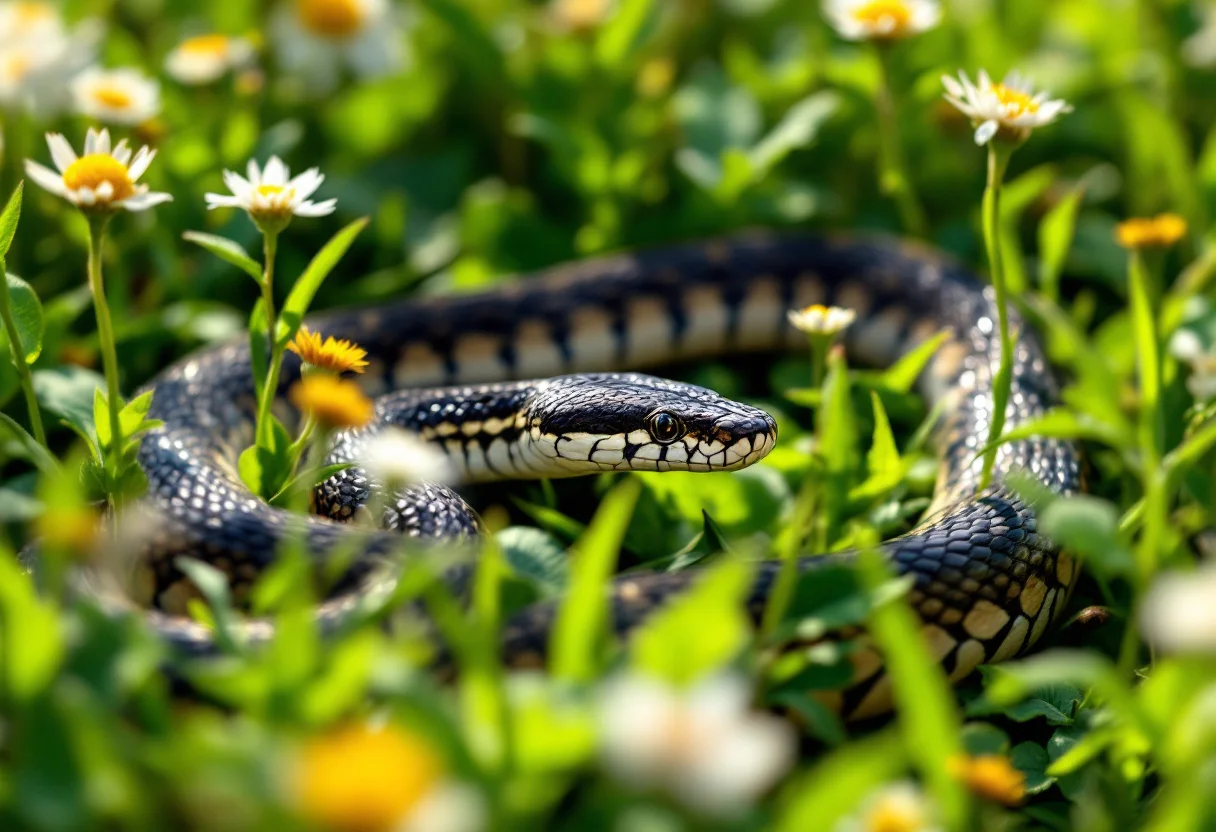
Signs on the coastal path above Tyneham warn walkers that adders may be in the long grass. This sits alongside the other signs: the ones warning of unexploded ordnance. As one visitor on the walk from Lulworth Cove put it: this is probably the only path in England where the notices tell you to stay on the trail because you might get blown up, and then also warn you about snakes.
The Purbeck Heaths NNR is one of very few sites in the UK where all six native reptile species are present: adder, grass snake, smooth snake, slow worm, common lizard, and sand lizard. The warm south-facing slopes above the village are among the best places in England to see them in spring and early summer.
Mammals
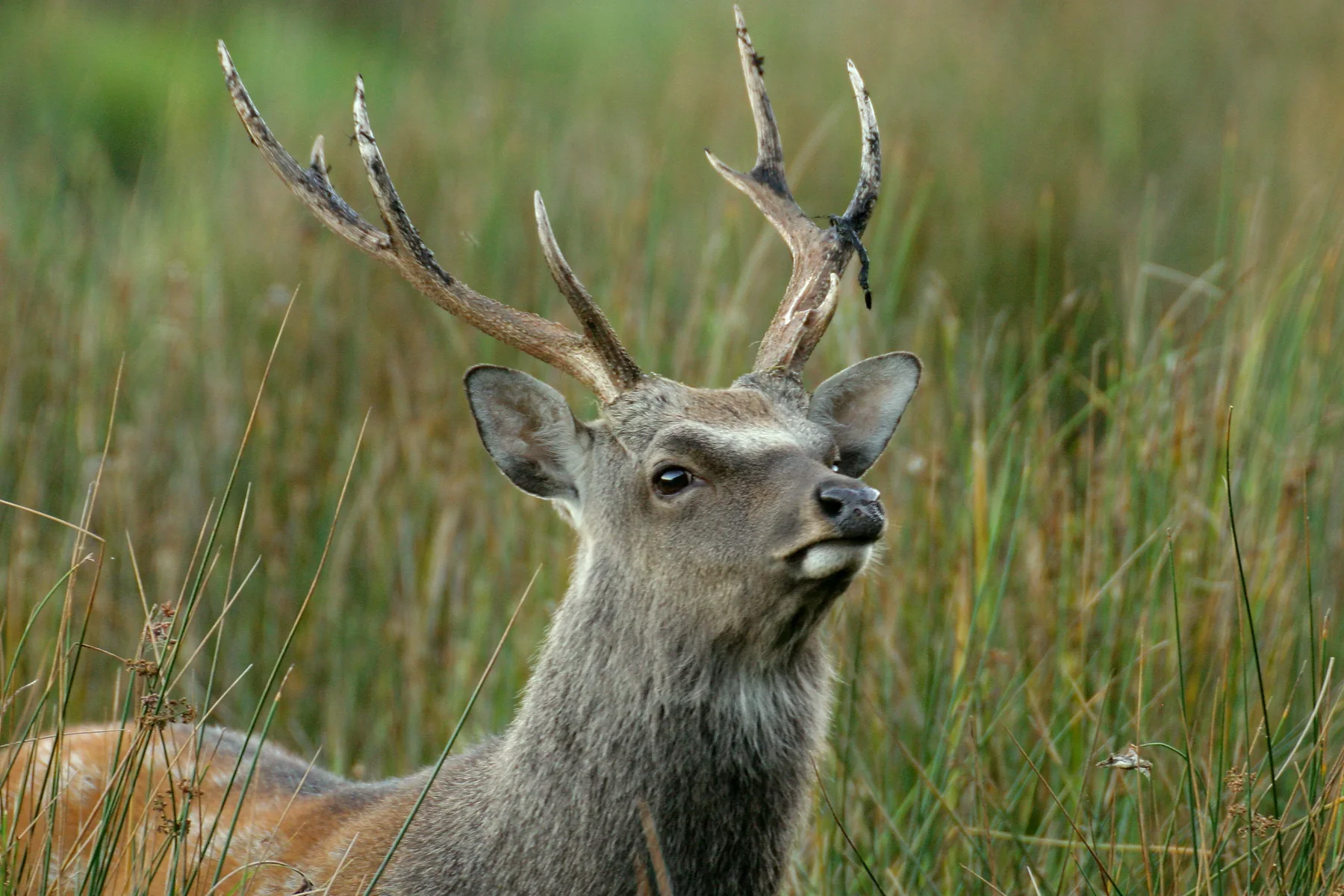
Rabbits are plentiful, visible from the village itself, grazing in the fenced MOD areas that visitors cannot enter. As one visitor put it: "There are some residents that can still hover around. Look at that rabbit." Roe and sika deer are present in the woodland around Tyneham House and throughout the ranges, though rarely visible from the main paths.
MOD-managed cattle and sheep graze the open grassland of the ranges throughout the year and are often visible from the coastal path and ridge walks. The grazing is part of the NNR management plan; it keeps the downland from reverting to scrub and maintains the short turf that the rarer plants and insects need.
Wildflowers
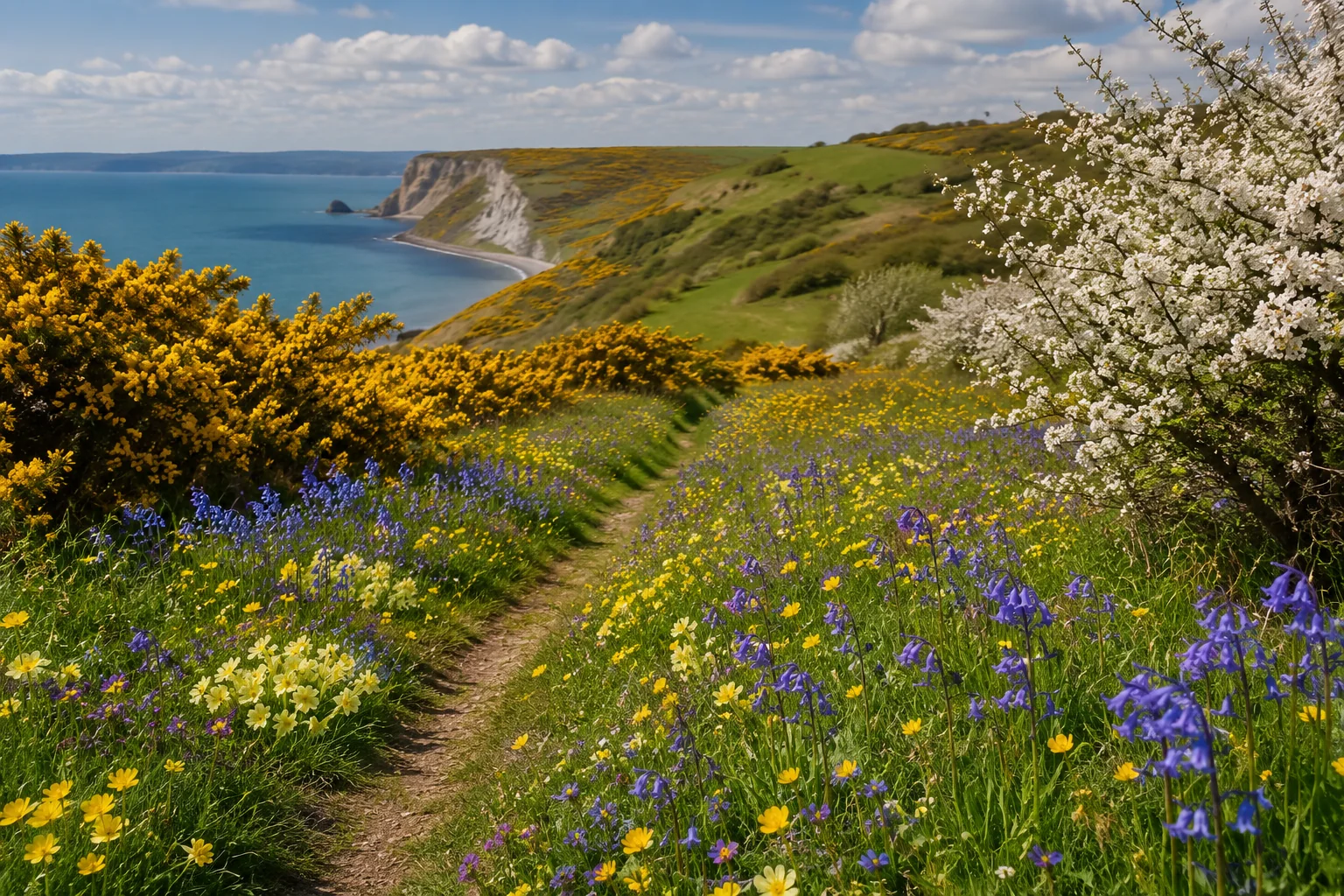
The ridge walk above Tyneham is at its best in late spring and early summer, when the path is lined with wildflowers. Gorse blazes yellow along the clifftop. Bluebells, cowslips, violets, and buttercups fill the downland grass on either side. The blossom on blackthorn and hawthorn typically peaks for just two weeks in April before it goes, so it is worth timing a visit around if you can.
The Purbeck coast holds one of England's largest populations of early spider orchids, found almost nowhere else in Britain outside Kent, Sussex, and Dorset. They flower from late April to early May on the short-cropped turf of south-facing chalk slopes, and then they are gone. The season lasts about two weeks. Signs in the village ask visitors not to pick the wildflowers; for the orchids especially, it is worth timing a visit if you can.
Butterflies
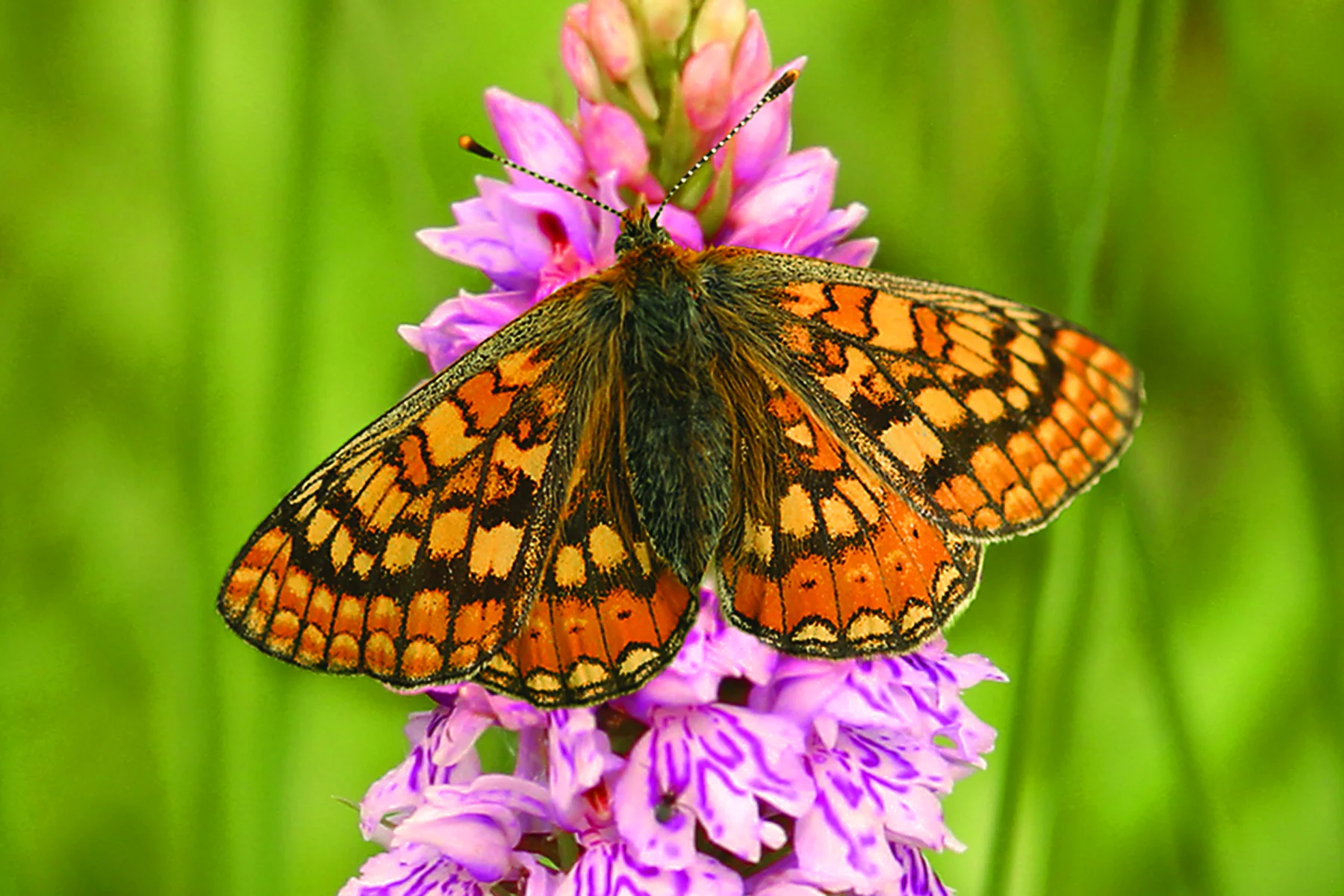
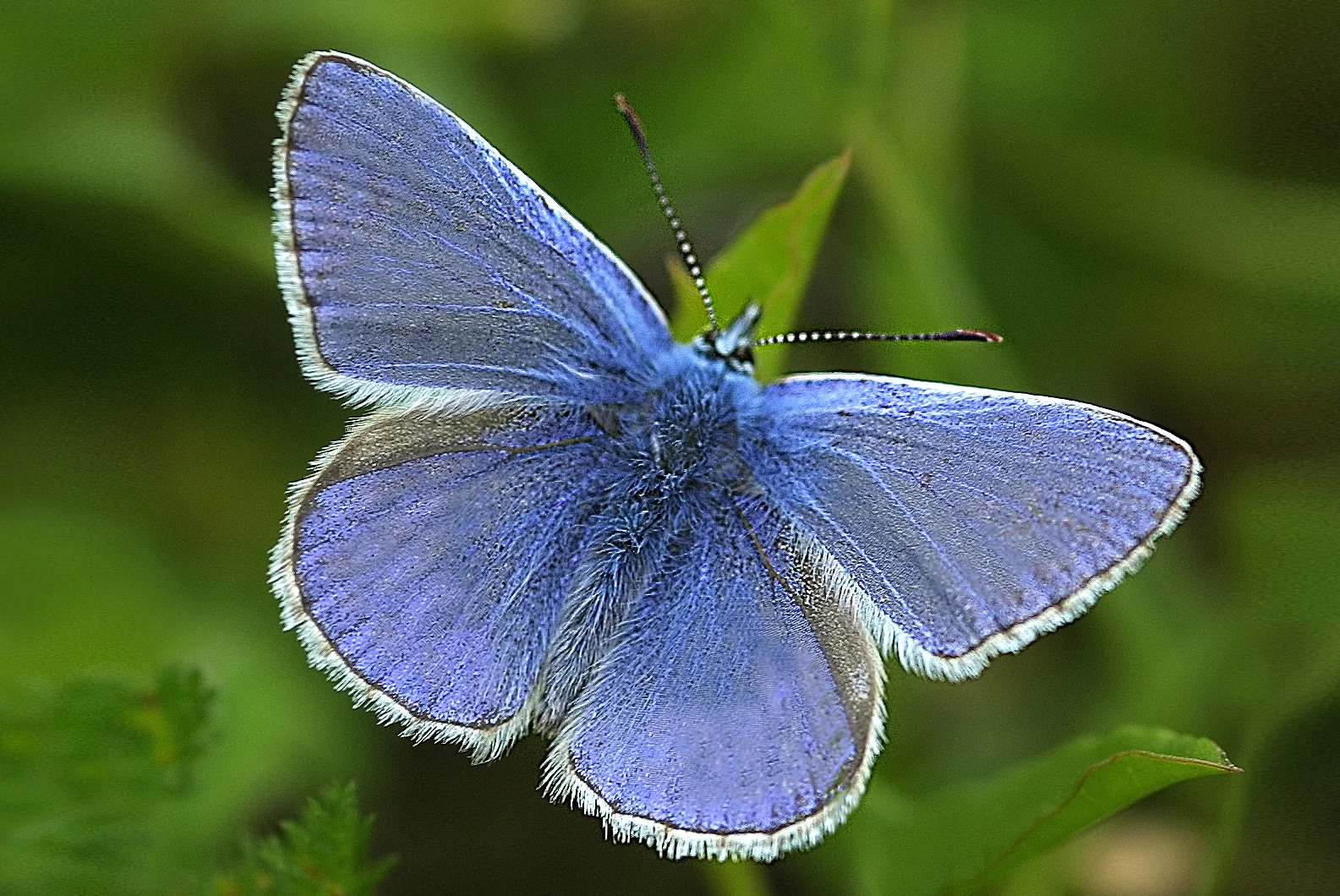
The Purbeck coast holds some of the densest populations of rare chalk downland butterflies in Britain. Chalkhill blues and Adonis blues breed on the grassland above Tyneham; Dorset has more Adonis blue colonies than any other county. Silver-studded blues are found on the heathland around the ranges. The best months for the chalkhill blue are July and August, when the hillsides above Worbarrow Bay can be alive with them on warm days; the Adonis blue has two broods, peaking in May–June and again in August–September.
The nature study connection
One of the quieter details in Tyneham School is the nature study books left open on the children's desks. The school placed a strong emphasis on natural history: lessons included nature walks in the surrounding valley to identify plants and animals, and the books show local wildlife recorded by children in the years before the 1943 evacuation. The school exhibition notes that much of the wildlife they recorded is still present in the valley today, largely unchanged. It is an unexpectedly direct thread connecting the pre-war village to the landscape visitors walk through now.