The Bond Family of Tyneham
By James Langton · Updated May 2026
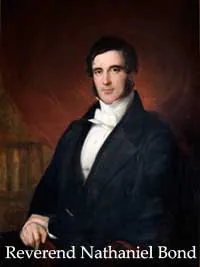
The arrival of the Bond Family
In 1683 Nathaniel Bond purchased Tyneham House and the surrounding estates, including Creech Grange. The family would own the village for the next 260 years.
A notorious episode

One of the darker chapters in the family's early history involves Lady Alice Lisle, granddaughter of Edith Bond. In 1685, following the Battle of Sedgemoor, Lady Alice was convicted of sheltering a fugitive from the Monmouth Rebellion. She was originally sentenced to be burned at the stake, but public outrage led to the sentence being changed to beheading. It gave the Bond name a certain notoriety in those turbulent times.
Custodians of Tyneham
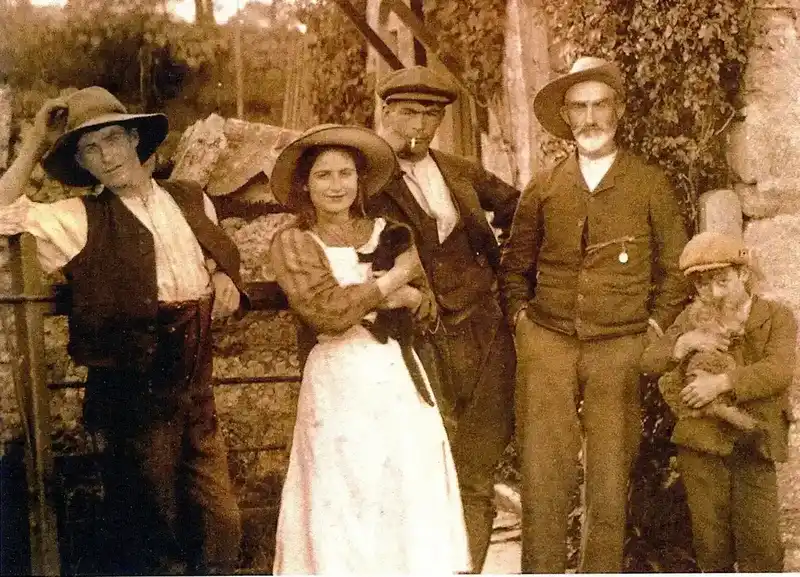
Over the next century, ownership passed down through the family: from Nathaniel to John, then Dennis, and finally Reverend William Bond. The Bonds left their mark on the village, most notably building the south transept of St Mary's Church as a private family chapel.
Commitment to education
In the 1850s, Nathaniel Bond (a later member of the family) paid for Tyneham School to be built.
Shifting tides in the 20th century
The early 20th century brought tragedy. Algernon Bond had been severely wounded at the Siege of Ladysmith during the Boer War in 1900, and though he survived the campaign, his health never fully recovered. He died in 1911 at a military hospital in Calcutta, aged just 31. The estate then passed to his brother Ralph, who became the last Bond to own Tyneham House before the village's forced evacuation in 1943.
When the evacuation order came, it was Ralph's wife Evelyn who pinned the handwritten note to the church door: "We have given up our homes where many of us lived for generations to help win the war to keep men free. We shall return one day." The broken government promise that followed affected the whole family. Ralph, it's said, never fully recovered from losing his home.
Lilian Bond: perhaps the most famous member of the family
Ralph's sister Lilian Bond is one of the most remarkable figures in the family's history. Growing up at Tyneham House with views over Worbarrow Bay, she developed a fierce independence that stayed with her all her life.
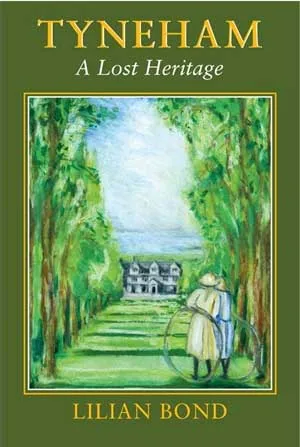
During World War II, with many men away fighting, Lilian took on roles traditionally held by men, managing land and livestock. She also became a support for the remaining villagers, ready with practical help or a sympathetic ear.
Her most lasting contribution came in 1956 with the publication of her book "Tyneham: A Lost Heritage". Over fourteen chapters she set down the memories and daily life of the village that was taken from its residents, so the place would not be forgotten long after the houses fell silent.