Worbarrow Bay
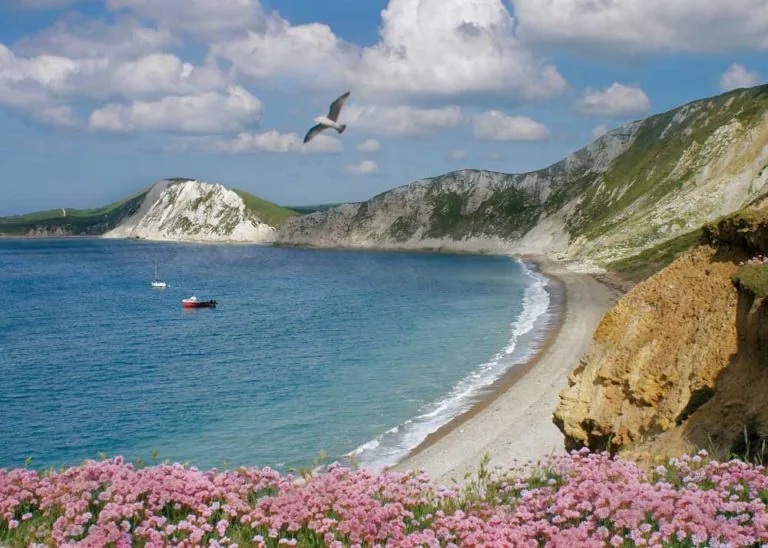
Welcome to Worbarrow Bay (Tyneham Beach)
Tyneham Village to Worbarrow Bay is an easy one-mile walk. The nearest car park is in the village itself, so be prepared for a stroll. Because of its secluded location, Worbarrow Bay is usually quiet and peaceful - unlike many of Dorset's busier beaches.
Part of the Jurassic Coast World Heritage Site, Worbarrow Bay is a great spot for fossil hunting. The rocks along the shore often contain small fossils, and there are even reports of dinosaur footprints on Worbarrow Tout.
Opening times for Worbarrow Bay are the same as for Tyneham Village. Dogs are very welcome (on leads), and there are plenty of long walks in the area — see the Lulworth Range walks guide for circular routes to Gad Cliff and Flower's Barrow. There are no cafés or shops, so bring a picnic if you're planning to stay a while.
It's a lovely place to relax, try a bit of fishing, or go for a swim - but there are no lifeguards, so take care.
Camping at the bay isn't allowed, and there's no accommodation right on the spot (the area is still used by the military). But there are lots of great places to stay nearby - Swanage, Corfe Castle, Wareham, and Lulworth Cove all have plenty of hotels, B&Bs, and campsites.
Worbarrow Tout
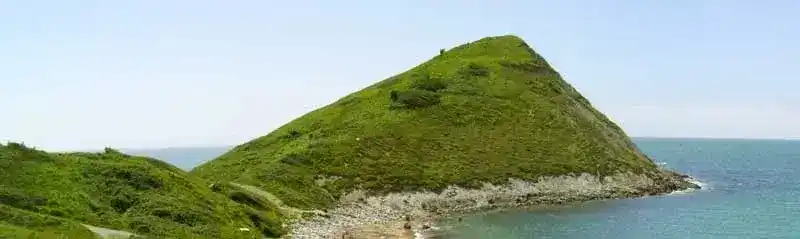
Worbarrow Tout is the dramatic limestone headland at the eastern end of the beach. It offers stunning panoramic views and is a popular spot for walkers and photographers. From the top, the clifftop path continues west to Gad Cliff — one of the most dramatic viewpoints on the Jurassic Coast.
The layered rocks here are a geologist's dream, showing millions of years of history. It's also part of the Jurassic Coast, famous for its fossils.
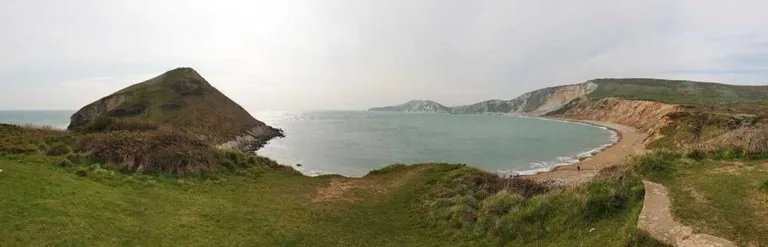
Map of Worbarrow Bay
The History of Worbarrow Bay (Tyneham Beach)


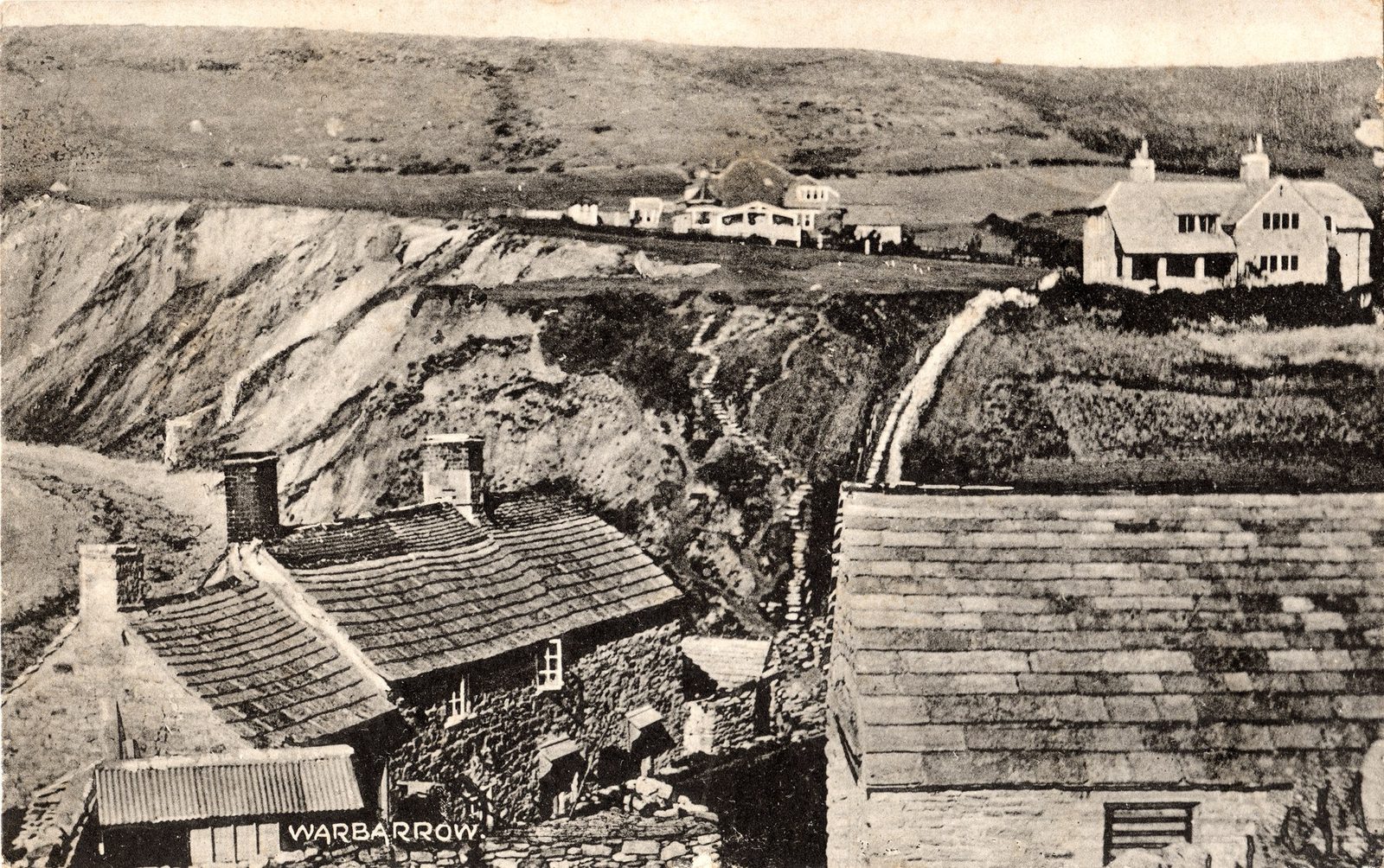
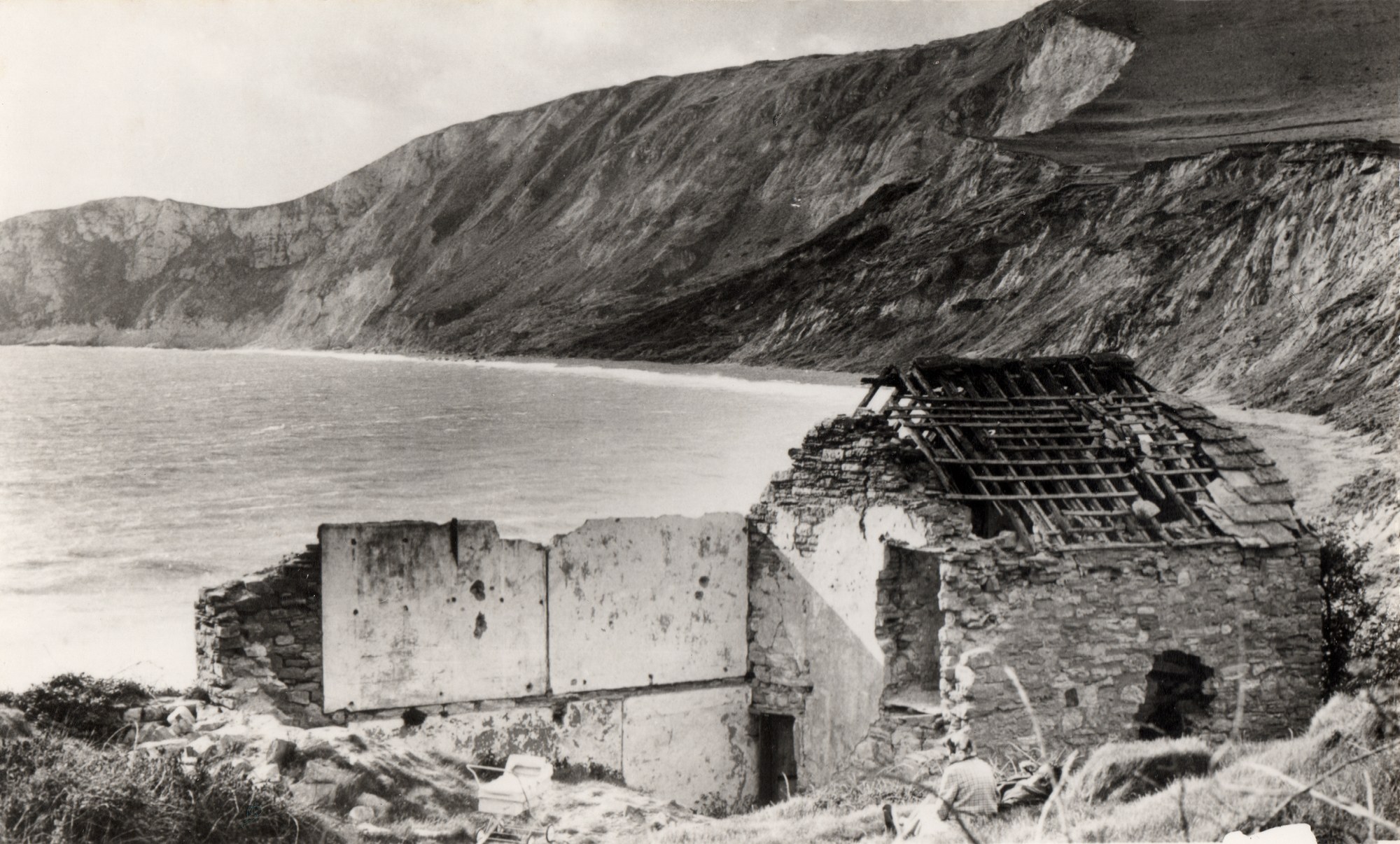
In the early 1900s, Worbarrow Bay had a coastguard station and seven cottages - home to over 50 people. When the station closed in 1911, landowner William Bond bought and demolished it, reportedly to prevent holiday homes.
By the 1930s, the bay had become a popular tourist spot thanks to the growing number of cars. Local fishermen sold cooked lobsters, crabs, cream teas, and beer to visitors.
When the village was evacuated in 1943, only 10 residents remained in the bay area.
A History of Smuggling
In the 18th and 19th centuries, Worbarrow Bay was a known smuggling hotspot. Its hidden coves and rugged cliffs made it ideal for landing contraband goods like brandy, tobacco, and tea under cover of darkness.
Local fishermen and villagers were often involved, using secret caves and tunnels to hide goods from customs officers.
The Buildings of Worbarrow Bay
The Coastguard Station


The Coastguard Station was demolished in 1912 by William Bond. Its closure marked the beginning of the bay's population decline.
Fern Hollow
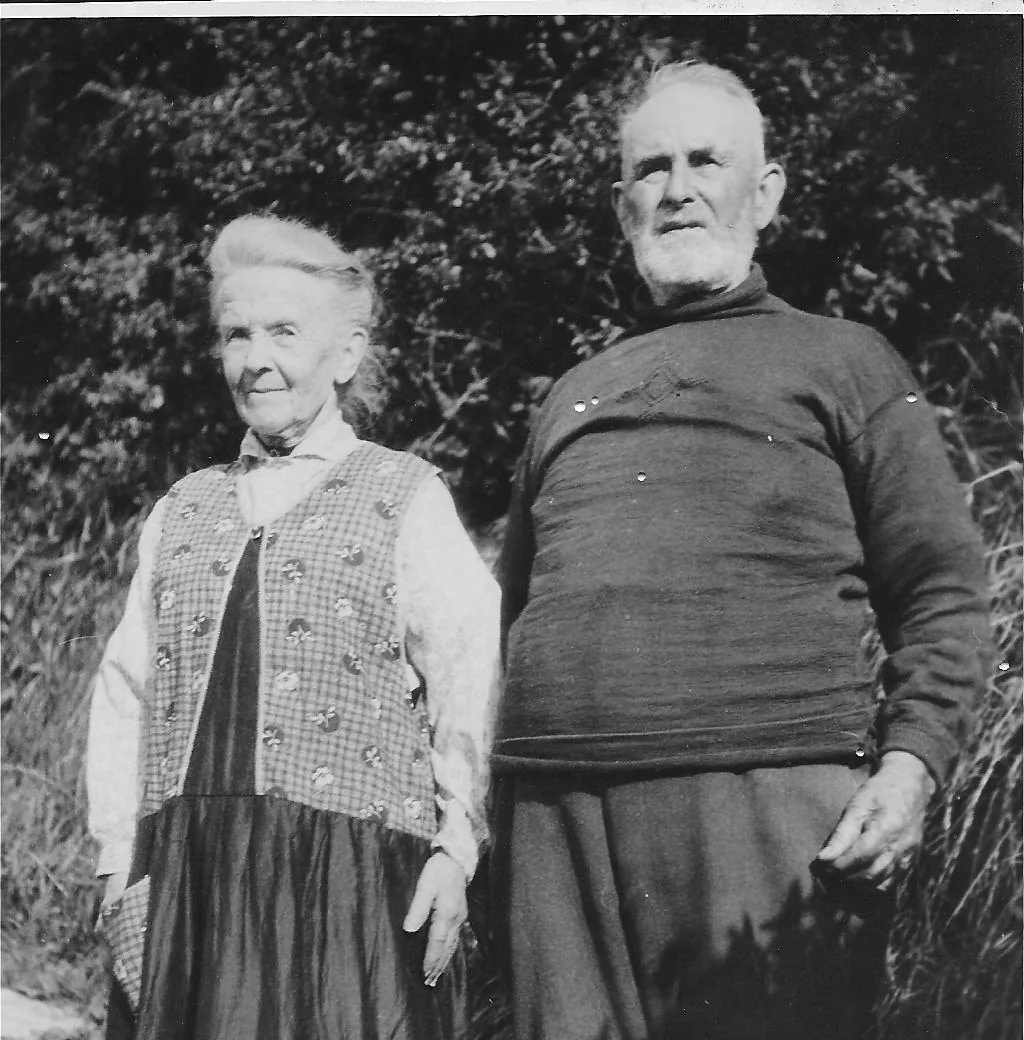
Charlie and Harriet Miller lived at Fern Hollow, a snug cottage tucked into the fuchsias and scrub by the road, facing east toward Baltington Hill. Harriet had been a schoolmistress, and though they had no children of their own, their home was rarely quiet — young visitors were always welcome. When the evacuation came in 1943, the elderly couple were moved to a new house at Stoborough and were reportedly delighted by the electric lights, a novelty they had never had at Fern Hollow. Sadly, Charlie — already 93 and ailing — died just two weeks after leaving the only home he had known.
Mintern's Cottage
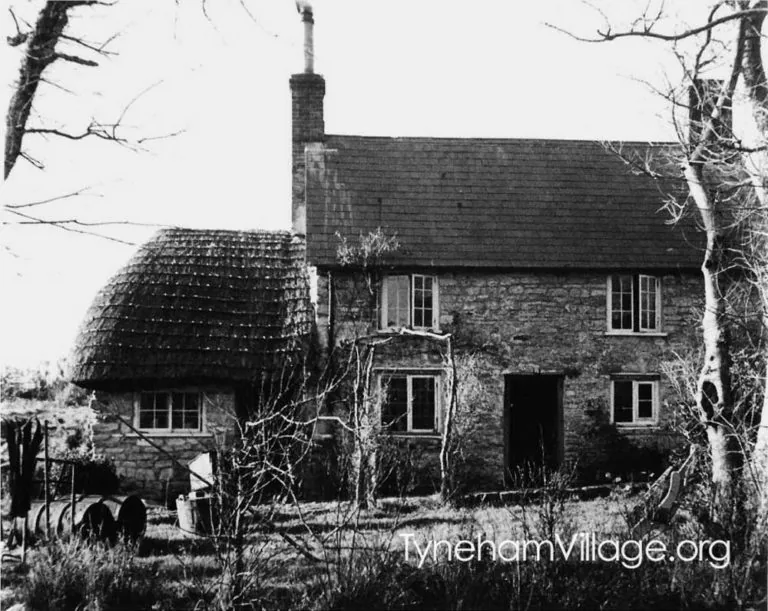
The Mintern family lived here for nearly fifty years. Tommy Mintern fished the bay with his partner 'Tarry' Samways and kept cows and chickens on the smallholding. Tragedy struck in 1908 when their son Billy, aged just 15, drowned while fishing in the bay. By 1943, two of Tommy's daughters were still running the holding, supplying the whole Tyneham valley with milk, butter, eggs, and cream teas for tourists.
Rose Cottage
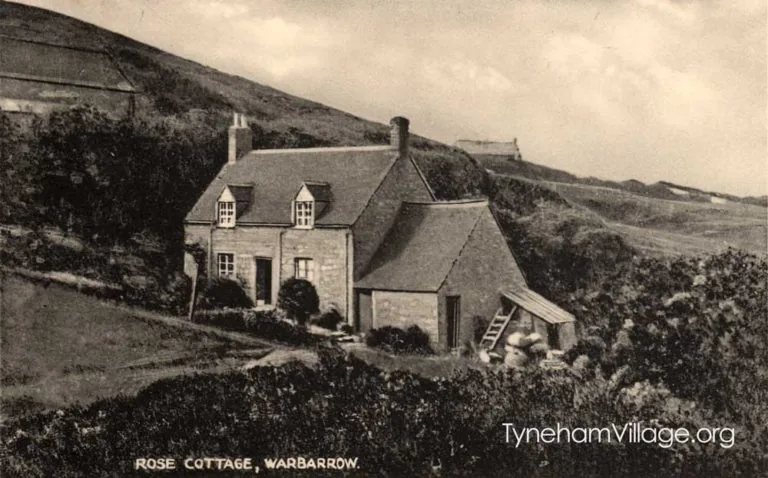
Jack and Miggie Miller lived here from their marriage until 1913 (named after Miggie's maiden name Rose). They later moved to Sea Cottage.
Sea Cottage
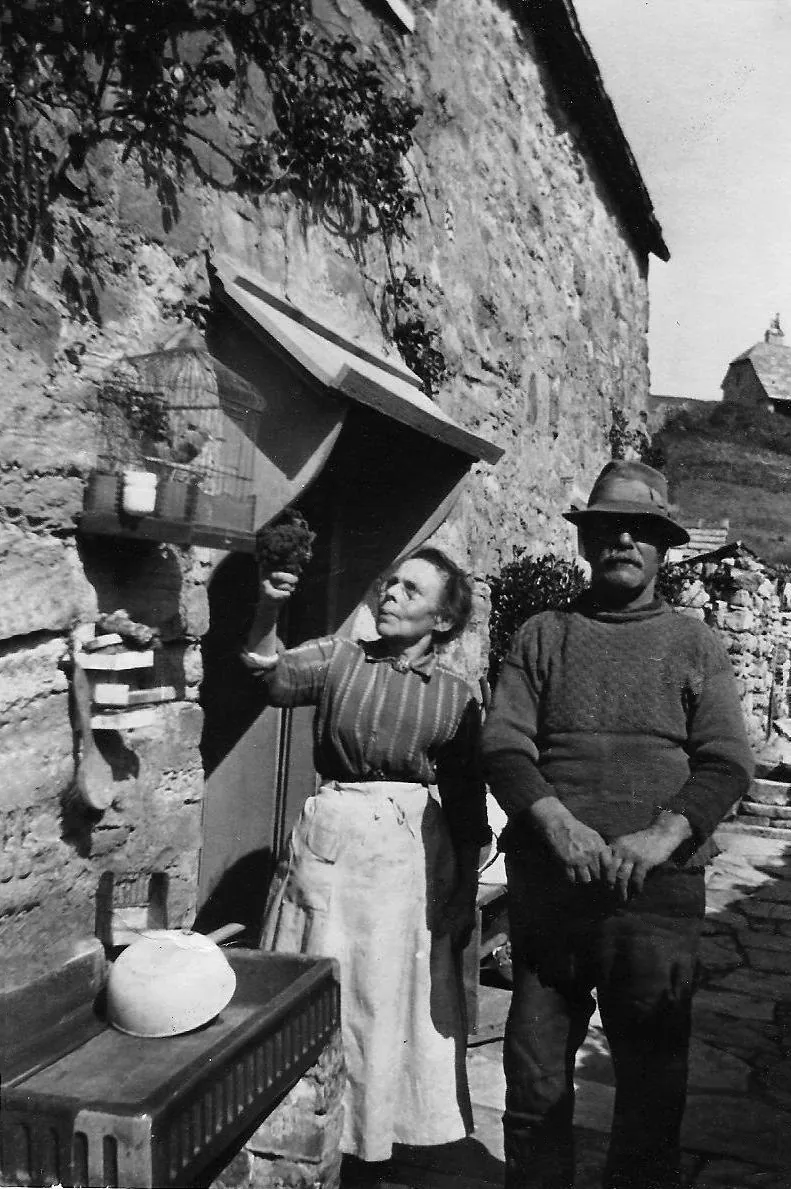
The Miller family connection to Sea Cottage goes back generations — in 1840, when the Tithe Map was drawn up, it was home to Samuel Miller and his wife Elizabeth, descendants of Henry Miller who had settled at Worbarrow in the 1680s. Jack and Miggie moved in after leaving Rose Cottage in 1913 and remained for over thirty years until the evacuation, when they were relocated to Langton Matravers.
Sheepleaze
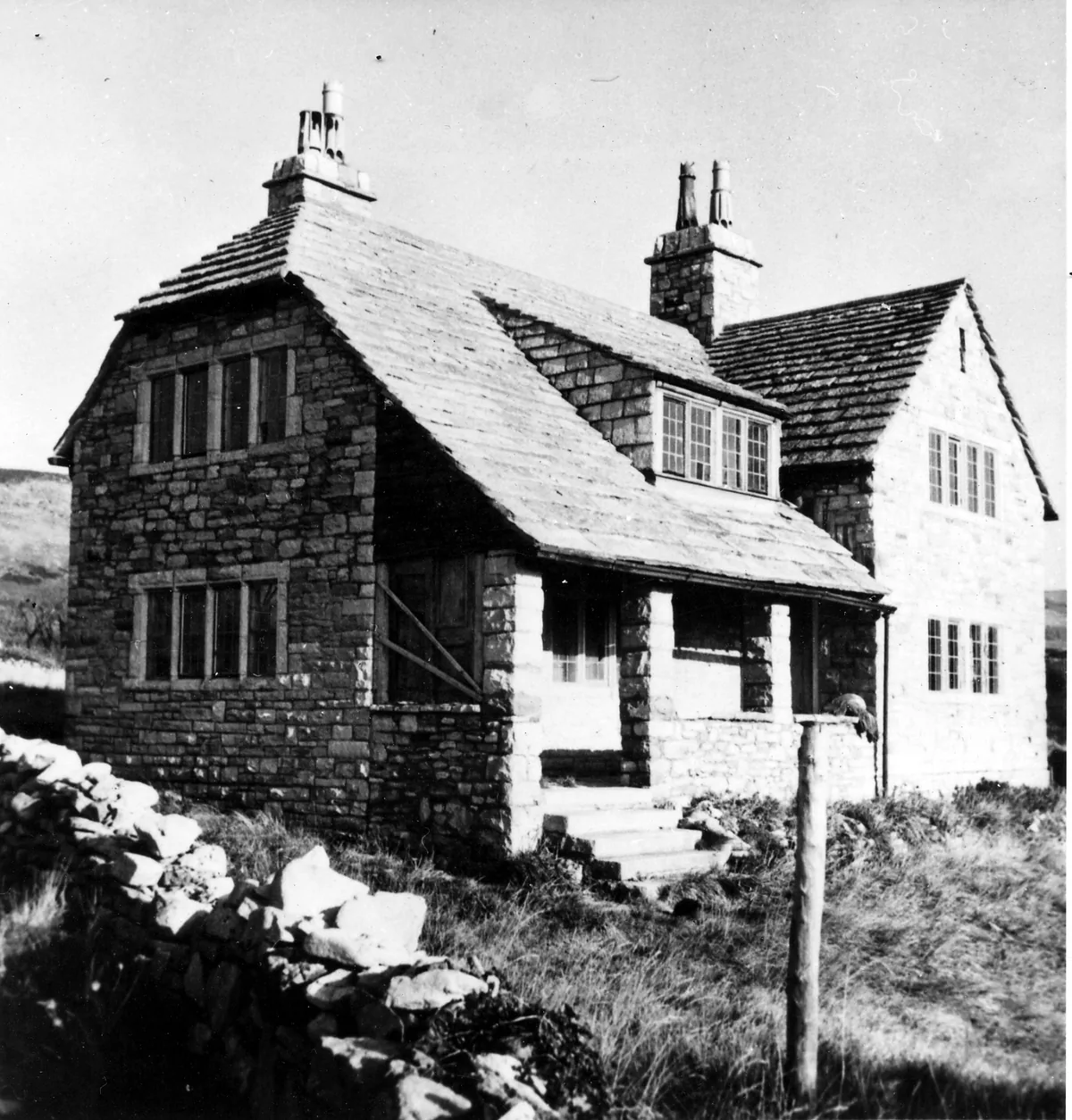

Built in 1910 by London barrister Warwick Draper with permission from William Bond. The Draper family spent summers here until the evacuation. Philip Draper campaigned unsuccessfully to regain the property after the war.
The Bungalow

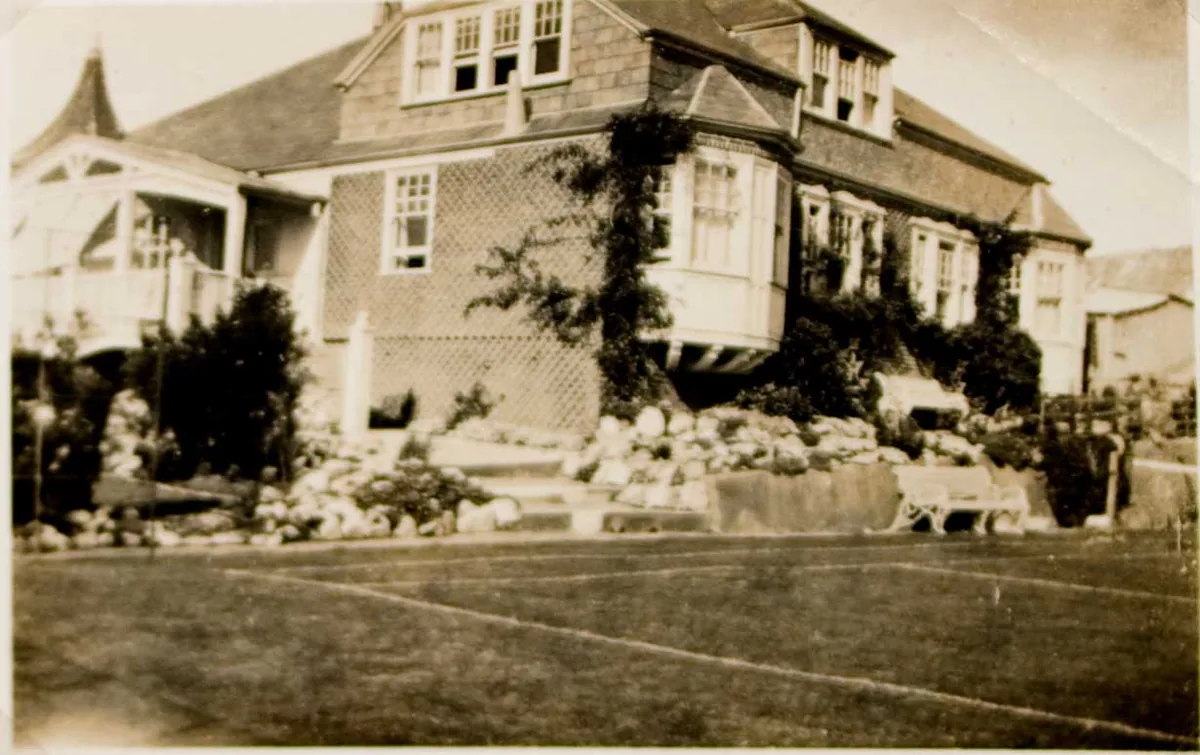

Started small but expanded to seven bedrooms by 1920. Home to Mary and John Wheeler and their four adopted children. After evacuation, Mary's niece Maud lived there briefly.

