Tyneham Village History
By James Langton · Updated May 2026
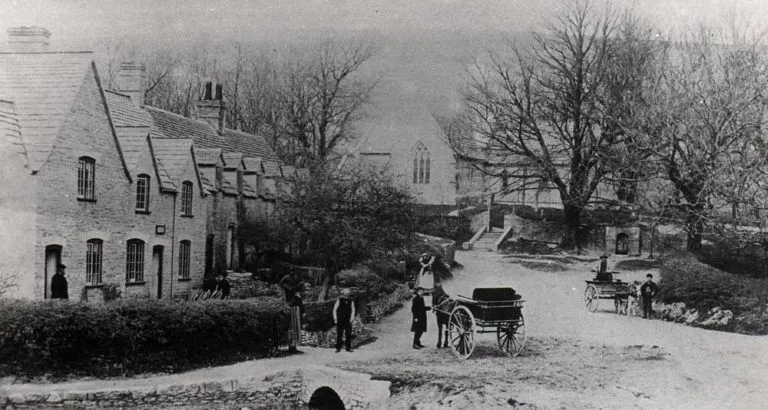
Tyneham's history stretches back to the time of William the Conqueror. After the Norman Conquest in 1066, the king granted large areas of land to his supporters. One of these was his half-brother, the Earl of Mortain, who received the Tyneham estate.

Little is known about Tyneham in the centuries that followed, as records from that time are scarce. Things become clearer in the 14th century, when the village passed into the hands of the prominent Russel family. It was under their ownership that Tyneham began to take on a more permanent form.
Over the following centuries, Tyneham passed through several hands — from father to son for five generations, then to the Chykes family, and later the Popes.
The Popes eventually sold to John Williams of Herringston. By the late 17th century the estate had passed to the Bond family, who would own and steward it for nearly 250 years. The Bonds were a prominent Dorset family — Nathaniel Bond had served as Recorder of Weymouth and a Member of Parliament — and it was his descendants who would shape the village's final two centuries and, ultimately, lose it. The most vivid account of life on the estate survives in the memoir of Lilian Bond, whose book Tyneham: A Lost Heritage (1956) remains the definitive record of the village before its disappearance.
What Was Life Like in Tyneham Before 1943?
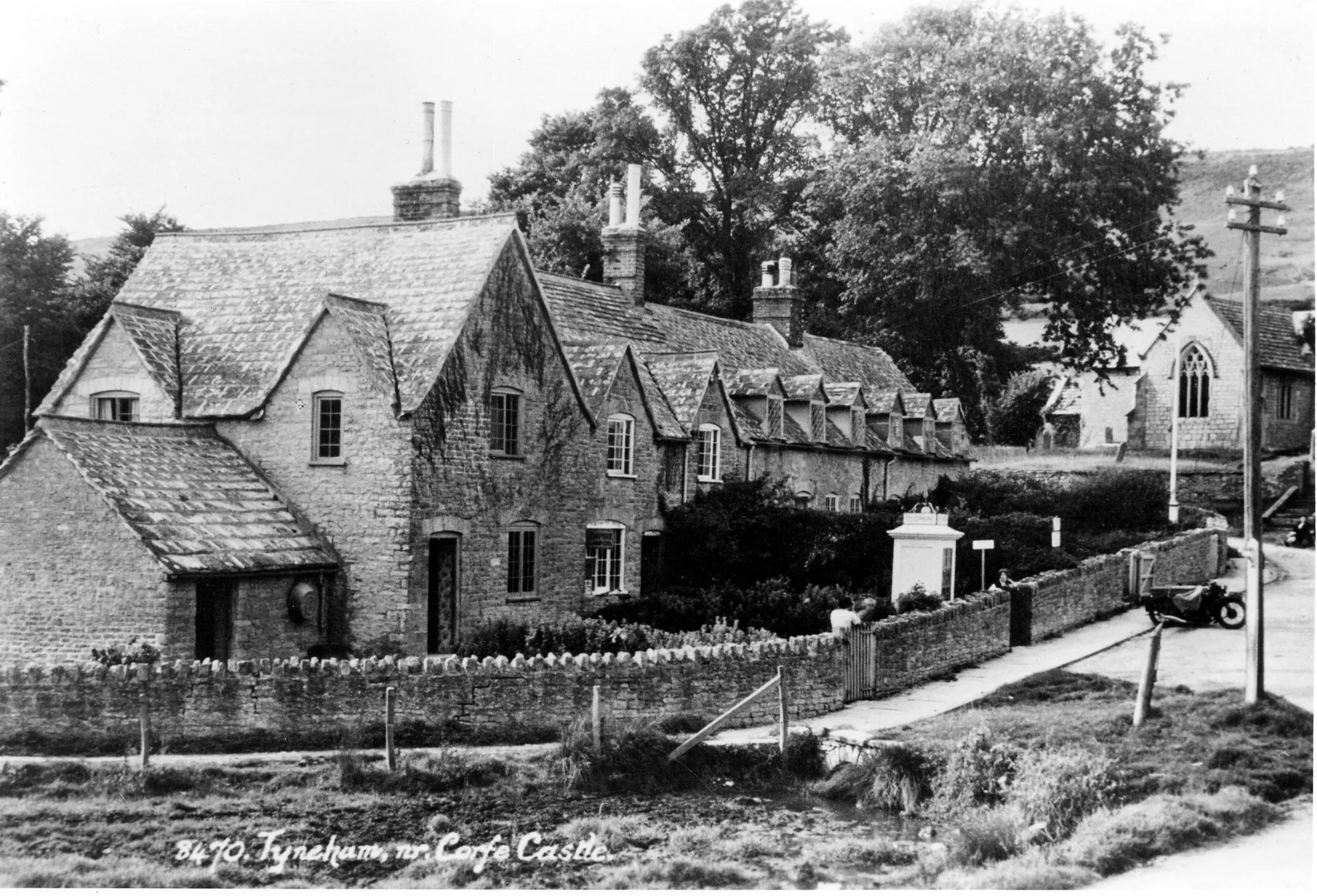
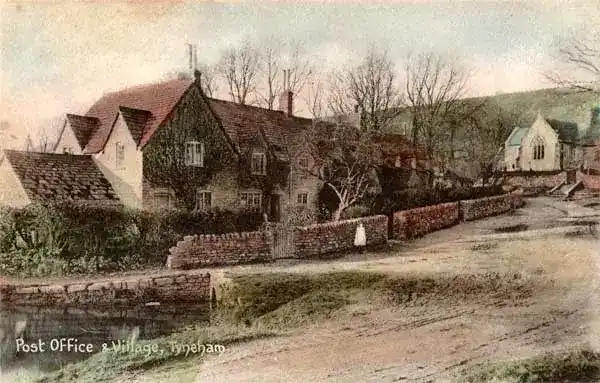
Before 1943, Tyneham was a largely self-sufficient agricultural community of around 250 people. Tyneham House — the Great House — dominated the valley. Around it stood a working parish: St Mary's Church, the Rectory, the school, the post office, farm buildings, and a cluster of cottages lining the lane.
Farming was the main livelihood. The Taylor family worked the land; the Mintern family at Worbarrow Bay supplied the entire valley with milk, butter, eggs, and cream teas for summer visitors. The school log books record attendance at cricket matches, harvest festivals, and village entertainments well into the 1930s. There was no electricity and no mains water, but the post office had a telephone — the only one in the village — and a concrete telephone kiosk was installed outside in 1929.
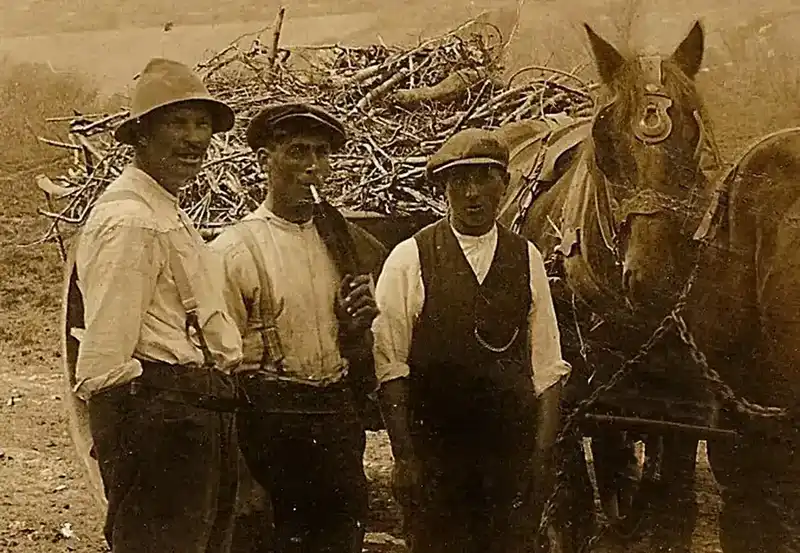
Worbarrow Bay, a mile's walk from the village, had its own small community of coastguard families and fishermen who sold cooked lobster and crabs to day-trippers. By the 1930s, motor cars were beginning to bring more visitors down the valley lanes, and the bay had become a modest tourist destination. Then the war changed everything.
Why Was Tyneham Evacuated in 1943?
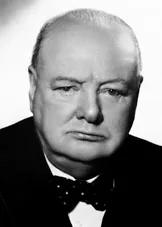
In late 1943, the War Office requisitioned Tyneham and roughly 7,500 acres of surrounding heathland and chalk downland for military training. Residents were given weeks to leave. They departed just before Christmas, on the understanding that the displacement was temporary — a promise later referred to as 'Churchill's pledge.'
252 people left the village. The pledge was that they could return after the war — a promise the government never kept. The Ministry of Defence then closed the range area to the public entirely. The last interviews with survivors who remembered the village were recorded in the Tyneham Remembered documentary.
Did the Tyneham Villagers Ever Return?
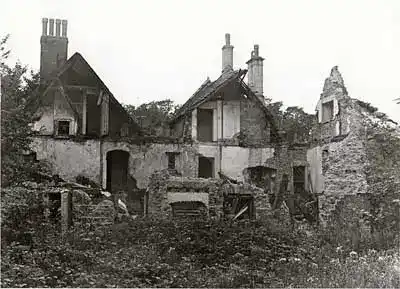
After the war ended, the Army did not leave. When it became clear the military intended to keep the Tyneham area for training, local authorities, landowners, and several MPs formally pressed the War Department to release the land.
A public inquiry followed, but the military held its position. In December 1967, as Tyneham House continued to deteriorate, the editor of “Dorset: The County Magazine” proposed a campaign group. The Tyneham Action Group was formed in May 1968, and a Public Trust Fund — 'Friends of Tyneham' — was established to represent surviving former residents. In August 1974 the government published a White Paper confirming the area would remain under military control.
Today, Tyneham is within an active military range and closed for much of the year. There are specific periods when it is open to the public, typically weekends, school holidays, and throughout summer.
Tyneham Today
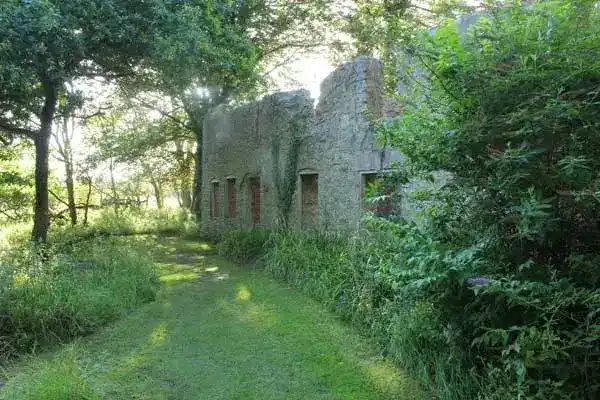
Tyneham remains one of the most evocative historic sites on the Jurassic Coast. The ruined cottages stand largely as they were left in 1943. St Mary's Church has been restored and is open during visiting hours, displaying the famous church door note and a permanent exhibition about village life. The old schoolroom is preserved as a local history museum, still set out as a Victorian classroom.
The village is accessible to visitors on most weekends and during school holidays when the military ranges are not in active use. Entry is free — there are no admission charges for the village, church, or schoolroom. The walk from the car park to Worbarrow Bay passes through the village and down to one of the quietest beaches on the Dorset coast; the Lulworth Range walks extend further along the cliffs to Gad Cliff and Flower's Barrow.
Before the last surviving residents passed away, their memories of Tyneham were captured on film in the Tyneham Remembered documentary — the only filmed record of first-hand accounts from the people who actually lived there.

